

















Mokala National Park
Conservation among Camelthorn and Koppies
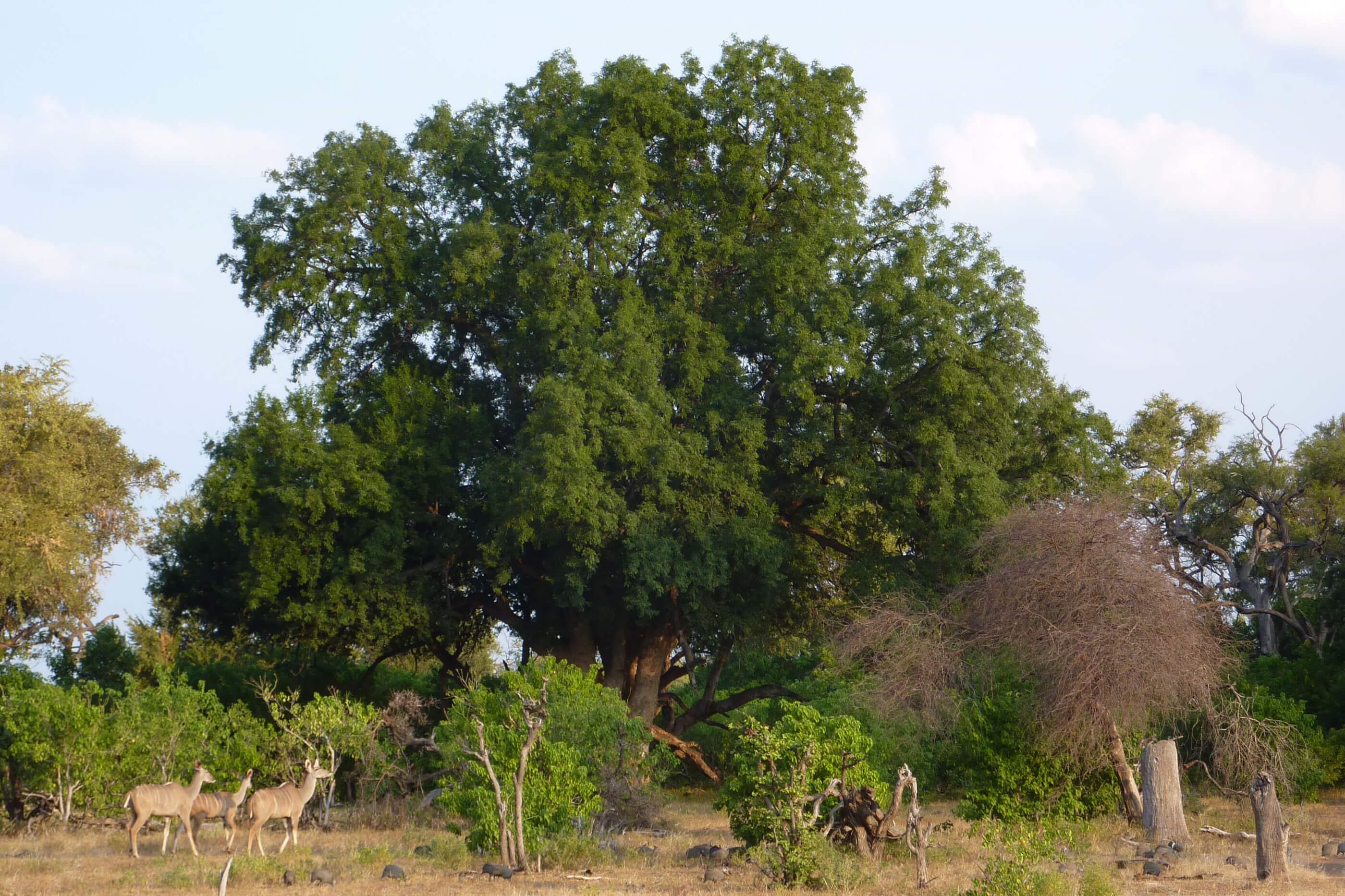
Mokala National Park lies about 80 kilometres south-west of Kimberley, where rocky koppieveld meets open plains and old camelthorn trees give the landscape its character. Its Setswana name refers to the camelthorn, and the park’s quiet appeal is its conservation purpose: a compact, uncrowded national park protecting an important meeting point between savanna and Nama-Karoo habitats.
A Park for Patient Wildlife Watching
Mokala is known for species of conservation importance, including black and white rhino, buffalo, roan and sable antelope, tsessebe, giraffe and many more familiar plains animals. It is not a destination for guaranteed big-cat sightings or independent wilderness hiking. Drive slowly, use the park’s roads and waterholes patiently, and plan your best wildlife viewing for the cooler parts of the day.
Birds, Water and a Slower Stay
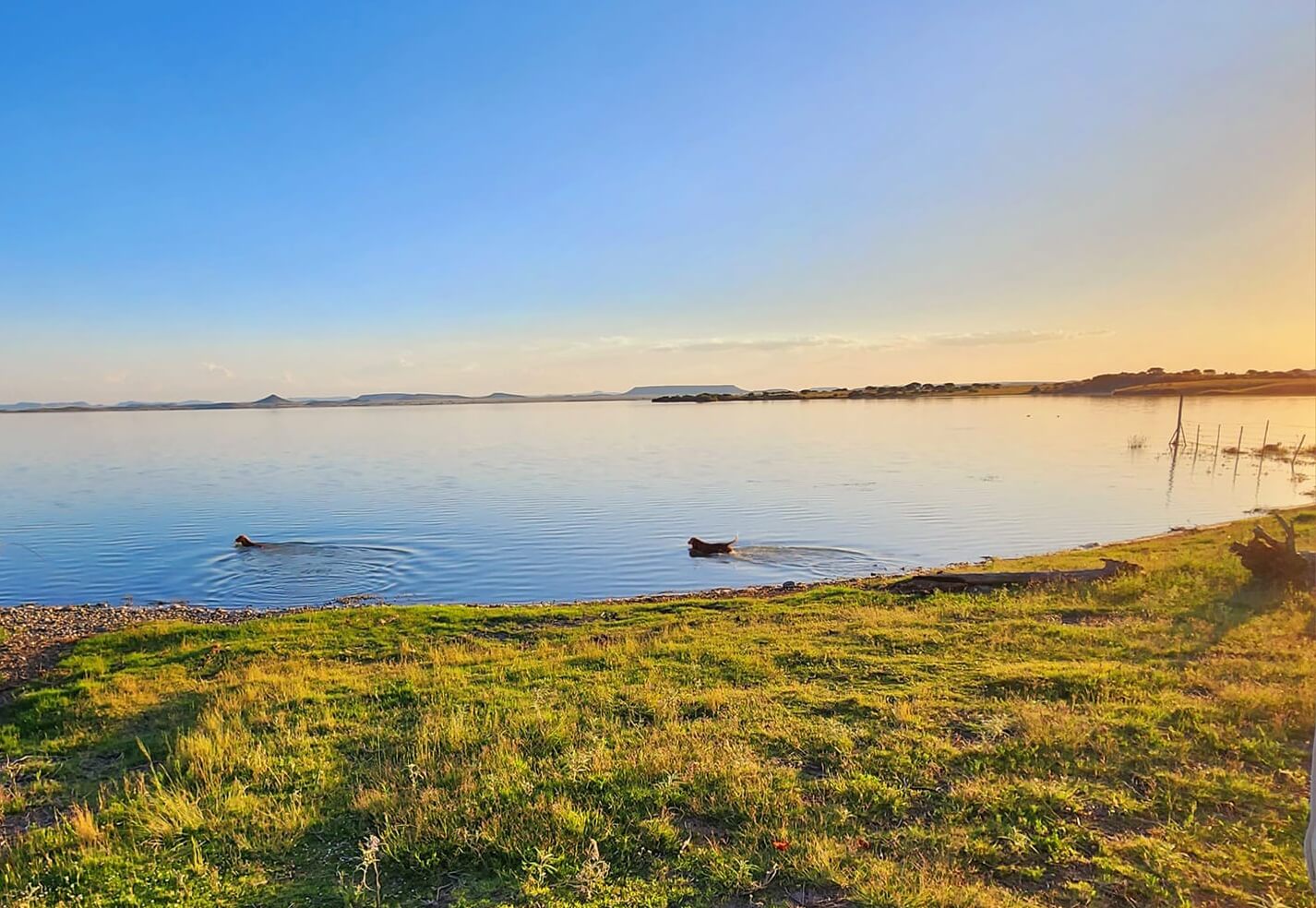
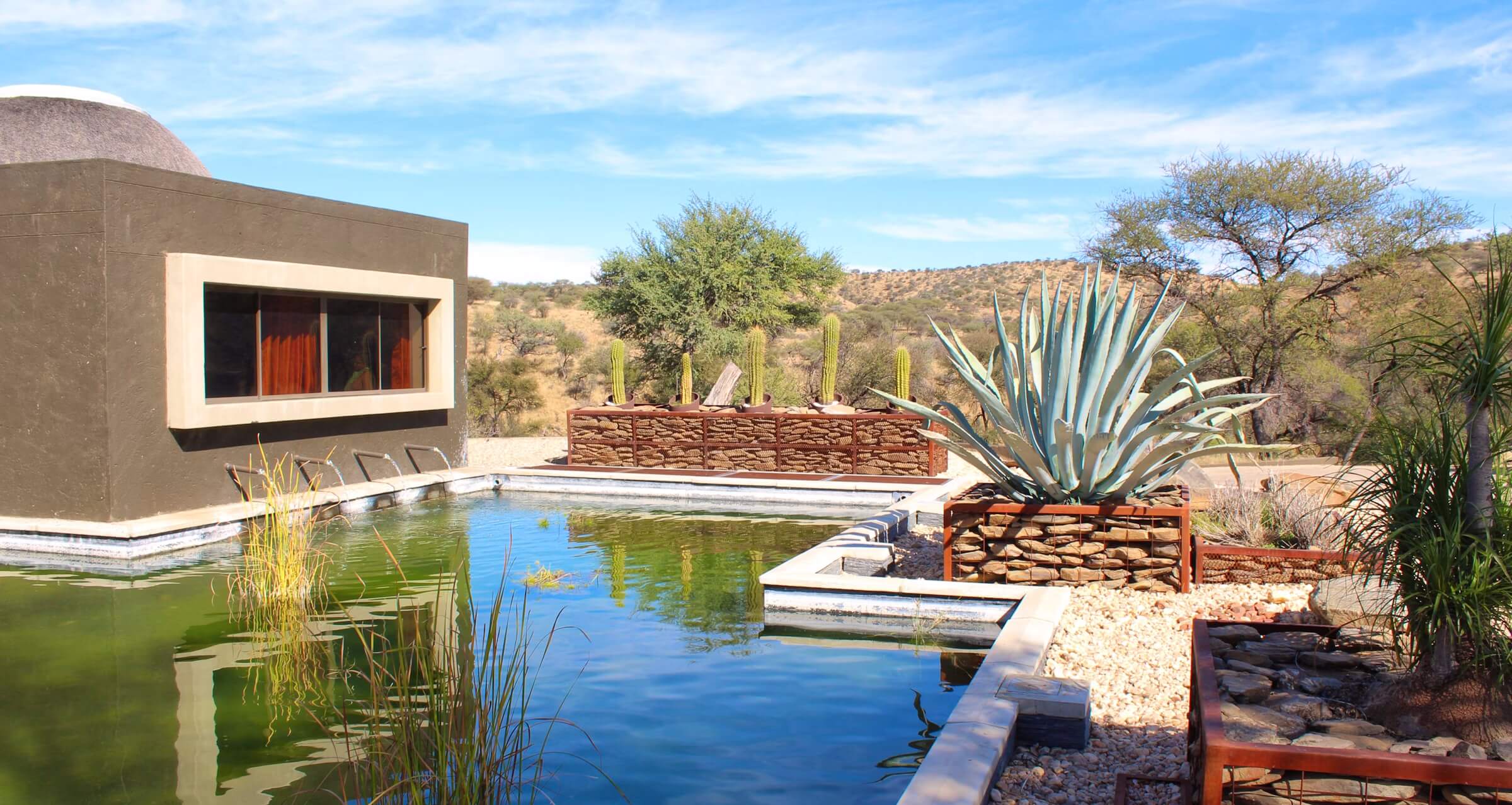
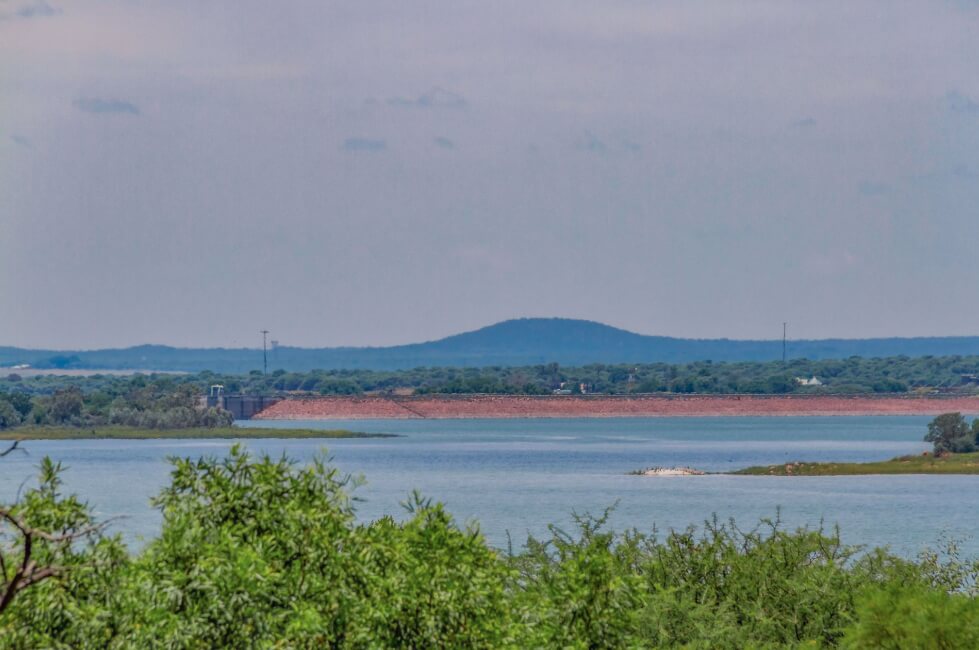
Birding is a strong reason to visit, from thornveld species around camp to raptors and birds associated with the varied vegetation. SANParks currently lists birding, bush braais, fishing and swimming among the visitor activities. Mosu Lodge and Lilydale Rest Camp make Mokala an easy place to pause for more than one night, rather than treating it only as a Kimberley stopover.
Walks Are Not an Open-Range Invitation
The reserve landscape may look inviting on foot, but visitors should use only areas and activities specifically made available by park staff. Do not assume that a game-viewing road is a hiking trail. Wildlife, heat and remote terrain make ordinary self-guided walking beyond designated spaces inappropriate. Ask reception about current guided activities and the rules for the camp or picnic areas you intend to use.
Practical Planning
Book accommodation and check current gate, road and activity information through SANParks. Bring binoculars, sun protection, drinking water and warm layers for crisp winter evenings; the subtle things here are often the memorable ones.


