Discover

Western Cape

Western Cape

Mountains, Coast and the Cape Floral Kingdom

The Western Cape offers an exceptional concentration of hiking landscapes: Table Mountain above Cape Town, the Cape Peninsula’s cliffs and fynbos, Cederberg sandstone, Boland and Overberg mountains, the Garden Route’s forests and the dry beauty of the Karoo fringe. It is easy to find a trail, but it is equally important to find the right trail. An urban mountain route can be exposed and serious; a coastal walk can depend on tides and weather; and a wilderness hike may need a permit, navigation and overnight planning.

Table Mountain Is a Wild Mountain beside a City

Table Mountain National Park has routes ranging from shorter walks to demanding ascents, but its accessibility should never be mistaken for simplicity. Wind, cloud, heat, darkness and uneven rock can rapidly change a route. Plan a specific ascent and descent, carry enough water and warm windproof clothing, do not hike alone, and have a safe alternative if the cableway or weather changes the plan. The individual SA Hikes pages provide the route-level context that a landmark name cannot.

Cederberg, Fynbos and Deeper Wilderness

The Cederberg and other Cape Fold Belt areas reward walkers with sandstone formations, rock pools, fynbos, rooibos country and archaeological heritage. Permits and designated access matter, especially in sensitive wilderness and rock-art areas. Stay on approved paths, never touch or mark cultural sites, and respect fire, water and seasonal restrictions. The aim is to enjoy a landscape of extraordinary botanical richness without adding pressure to it.

Make Good Decisions Before You Start

Check current weather, route closures, permits, transport, tides where relevant and the needs of the least experienced person in the group. Carry a map or navigation plan that does not depend on signal, headlamps for longer days, first-aid basics and layers for fast-changing conditions. Start early, turn around early when the plan no longer makes sense and leave the landscape ready for the next group.

Use Current Official Trail Guidance

For current Table Mountain hiking information, see SANParks’ Table Mountain hikes, walks and trails guide. Explore the individual SA Hikes pages for the rest of the province.

Agulhas National Park

Agulhas National Park protects the windswept coastal plain around Cape Agulhas, the southernmost point of the African continent and the official meeting place of the Indian and Atlantic Oceans. The famous cairn and lighthouse are powerful reasons to stop, but the park is also a remarkable fynbos, wetland, shoreline and heritage landscape that deserves time beyond a quick photograph.

Anysberg Nature Reserve

Anysberg Nature Reserve lies in the semi-arid Klein Karoo between Ladismith, Laingsburg, Touwsrivier and Montagu. Its 79 629 hectares combine open plains with Cape Fold Mountains, deep valleys and steep gorges, creating a reserve where distance, silence and changing light are as much part of the experience as wildlife or a named trail.

Bontebok National Park

Bontebok National Park lies beside the Breede River just south of Swellendam. It is South Africa’s smallest national park, but its significance is immense: the park was created to help save the bontebok from extinction and today protects a carefully managed mix of renosterveld, fynbos, river habitat and open country beneath the Langeberg.

Boosmansbos Wilderness Area

Boosmansbos Wilderness Area lies beside Grootvadersbosch in the Langeberg Mountains near Heidelberg. It is a World Heritage landscape of steep ridges, deep kloofs, mountain fynbos and one of the south-western Cape’s significant surviving stretches of indigenous forest. This is not a casual park stroll: it is a limited-access wilderness for people prepared to navigate, carry what they need and leave little trace.

Bushmans Kloof Wilderness Reserve & Retreat

Bushmans Kloof Wilderness Reserve & Wellness Retreat is a private 7 500-hectare Cederberg conservation landscape near Clanwilliam. It combines mountain fynbos, sandstone formations, wildlife and a nationally significant rock-art heritage with a luxury lodge experience. The key distinction is access: this is not an open public hiking reserve; the reserve’s guided experiences are arranged for overnight guests.

Caledon Wildflower Garden and Nature Reserve

Caledon Wildflower Garden and Nature Reserve occupies the Klein Swartberg slopes above the Overberg town. It is a compact, welcoming place to slow down among fynbos, rocky kloofs, indigenous flowers and wide views, rather than a large game reserve. Its value lies in making the botanical richness of the area accessible within easy reach of town.

Cederberg Wilderness Area

The Cederberg Wilderness Area is a vast, rugged landscape north-east of Clanwilliam, known for sculpted sandstone, cedar-scented mountain air, clear winter streams, summer heat and a powerful sense of distance. It is one of the Western Cape’s great walking and climbing landscapes, but it asks visitors to arrive prepared rather than expecting a fully serviced park.

Dassieshoek Nature Reserve

Dassieshoek Nature Reserve rises in the Langeberg north of Robertson, where fynbos slopes, gullies and rock faces lead towards the distinctive Arangieskop summit. It offers a close-to-town mountain escape, but its best-known hike is a strenuous two-day undertaking rather than a forgiving first overnight trail.

De Hoop Nature Reserve

De Hoop Nature Reserve is a large, varied CapeNature landscape on the Overberg coast, where Potberg rises above limestone plains, fynbos, wetlands, dunes and one of South Africa’s finest marine wildlife shores. It is a reserve for walkers, birders, whale watchers and families, but its different habitats need different kinds of care and planning.

Elandsberg Nature Reserve

Elandsberg Nature Reserve is a privately conserved landscape in the Swartland near Riebeek Kasteel, associated with Bartholomeus Klip. Its open renosterveld, seasonal wetlands and fynbos are a striking reminder that the Cape’s most threatened ecosystems are not confined to dramatic mountains. This is a working conservation destination with carefully managed visitor access, not an unregulated public game reserve.

Fernkloof Nature Reserve

Fernkloof Nature Reserve climbs from the edge of Hermanus into the Kleinrivier Mountains, bringing a remarkable concentration of Cape fynbos within minutes of town. It is a place where a short garden walk, a birding stop or a longer mountain day can all begin at the same entrance—provided visitors understand which route they are actually choosing.

Gamkaberg Nature Reserve

Gamkaberg Nature Reserve rises abruptly from the Klein Karoo, a rugged range of ravines, sandstone cliffs, succulent Karoo and mountain vegetation. It was established in 1974 to protect a remnant population of Cape mountain zebra, making the reserve a powerful example of how focused conservation can rescue a species and preserve an entire landscape around it.

Garden Route National Park

Garden Route National Park links the Tsitsikamma coast, the lakes and rivers of Wilderness, and the indigenous forests around Knysna. Rather than a single gate-and-camp destination, it is a long coastal and mountain landscape of cliffs, estuaries, beaches, forest and fynbos—best explored by choosing a particular section and planning that day well.

Groot Winterhoek Wilderness Area

Groot Winterhoek Wilderness Area lies in the mountains near Porterville, north of Cape Town. Weathered Table Mountain sandstone has formed striking cliffs, caves and sculpted boulders above clear streams, fynbos and deep pools. It looks inviting in photographs, but it is a genuine wilderness area where route-finding, weather and self-sufficiency matter.

Grootbos Private Nature Reserve

Grootbos Private Nature Reserve lies near Gansbaai, where fynbos-covered hills meet ancient milkwood forest and the whale coast of Walker Bay. Its 3 500 hectares are best understood as a botanical conservation destination with carefully arranged lodge experiences, not as a public, self-guided reserve. The quality of the visit comes from the detail in its plants, forests and conservation work.

Hikes outside a reserve (Western Cape)

Hikes outside a reserve in Western Cape.

Hottentots Holland Nature Reserve

Hottentots Holland Nature Reserve spreads across the mountains between Elgin, Villiersdorp, Stellenbosch and the Groenland range, about 90 kilometres south-east of Cape Town. Its 70 000 hectares of fynbos, high plateaux, ravines and clear streams form part of the Cape Floral Region World Heritage Site. The scenery is extraordinary, but it is mountain country where conditions decide the day.

Jonkershoek Nature Reserve

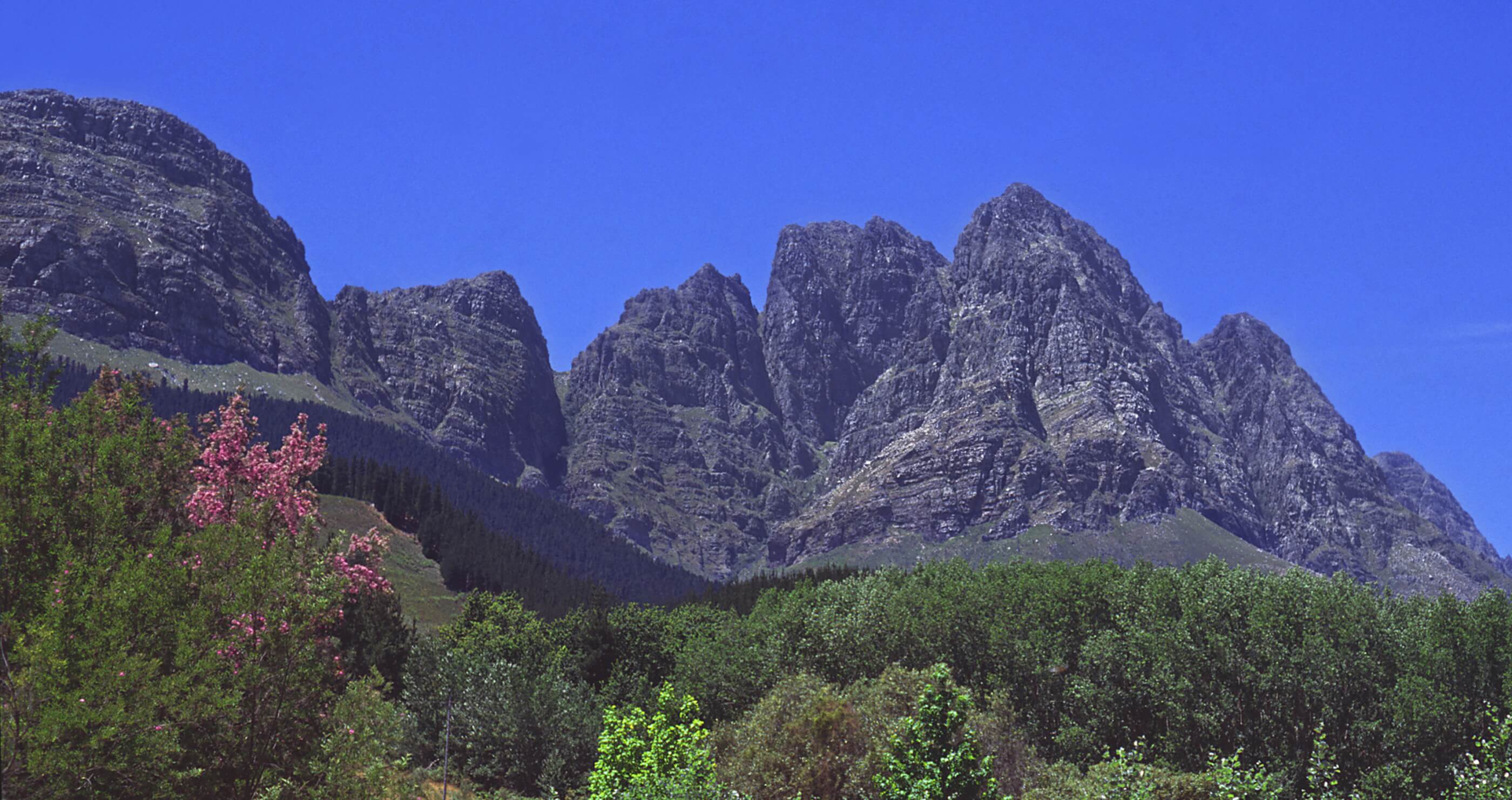
Jonkershoek Nature Reserve lies just outside Stellenbosch, where the Jonkershoek Mountains enclose a spectacular fynbos valley and the Eerste River runs from the high ground. It can provide a short river outing, a strenuous mountain hike or a technical mountain-bike day, but those experiences have different routes, permits and risks and should not be treated as one generic visit.

Kagga Kamma Nature Reserve

Kagga Kamma Nature Reserve is a private Cederberg destination of weathered sandstone, open plains, fynbos and dramatic rock formations. Its cave-style suites and wide night skies are memorable, but the deeper value lies in its guided interpretation of landscapes and San and Khoi rock art. It is an overnight-stay destination, not a public day-visitor reserve.

Knysna Elephant Park

Knysna Elephant Park is a managed elephant-care facility on the Garden Route, established in 1994 as South Africa’s first facility to house and care for orphaned African elephants. It can be a valuable opportunity to learn about individual elephants and their care, but it must be understood on its own terms: this is not an encounter with free-ranging Knysna forest elephants.

Knysna National Lake Area

The area historically known as the Knysna National Lake Area now forms the Knysna Lakes Section of Garden Route National Park. It protects the Knysna Estuary, salt marshes, indigenous forest and their connection to the town and coast. This is not simply a scenic lagoon: it is South Africa’s most important estuary for biodiversity and ecosystem services, with a wide range of users sharing one sensitive system.

Ko-Ka Tsara Bush Camp

Ko-Ka Tsara Bush Camp is a private self-catering bush camp on a game property outside Beaufort West, surrounded by the rocky crags and wide horizons of the Nuweveld Mountains. It is best approached as an accommodation-based Karoo nature stay, not as a public nature reserve. Guests arrange their stay first, then explore the property under the camp’s current access and safety guidance.

Kogelberg Nature Reserve

Kogelberg Nature Reserve lies between the mountains and coast near Kleinmond and Betty’s Bay. Its exceptional fynbos diversity, rugged valleys and relatively low human disturbance have earned it a reputation as the heart of the Cape Floral Kingdom. It is a World Heritage landscape where limited access and low-impact behaviour are part of the conservation model, not an inconvenience.

Marloth Nature Reserve

Marloth Nature Reserve occupies the imposing Swellendam Mountains between Swellendam, Ashton, Barrydale and Suurbraak. Its 14 123 hectares of protected mountains are managed alongside adjacent private conservation land, creating a broad World Heritage fynbos landscape above a town with a rich cultural history. It is an excellent base for a waterfall walk or a properly planned multi-day hike.

Melozhori Private Game Reserve

Melozhori Private Game Reserve lies near Stormsvlei in the Overberg, where Cape Fold Mountains, open hills and indigenous vegetation create an intimate safari setting. Its roughly 2 300 hectares are designed around a small number of guests, guided game drives and self-paced outdoor time. It is not a Big Five reserve; its appeal is a quieter, predator-free wildlife and landscape experience.

Plettenberg Bay Game Reserve

Plettenberg Bay Game Reserve is a private, managed safari destination near Plettenberg Bay on the Garden Route. It offers bookable game-viewing drives, walking safaris and overnight packages for visitors who want a short wildlife-focused experience alongside a coastal holiday. It should be approached as a guided private reserve, not as an unrestricted wilderness or a substitute for a major national park.

Rocherpan Nature Reserve

Rocherpan Nature Reserve lies on the Atlantic coast north of Velddrif, where a seasonal vlei, strandveld, beach and marine protected water meet. It is a small reserve with big birding potential, but its main lesson is seasonal: the pan is often dry in summer, and the number and variety of waterbirds depends on rainfall and water levels rather than a promised show.

Rondevlei Nature Reserve

Rondevlei Nature Reserve is a wetland refuge in Grassy Park, part of the broader False Bay Nature Reserve in Cape Town. Its reedbeds, open water, fynbos and hides demonstrate that important nature does not begin beyond the city. For birders, families and anyone learning about urban conservation, it is a remarkably accessible place to spend time slowly.

Swartberg Nature Reserve

Swartberg Nature Reserve forms a long, rugged mountain landscape between the Great Karoo and Klein Karoo. Its 121 000 hectares of fynbos, renosterveld, spekboom veld, ravines and peaks are part of the Cape Floral Region World Heritage Site. This is a reserve of big distances and climatic extremes, best enjoyed by visitors who plan routes, fuel, water and daylight conservatively.

Table Mountain National Park

Table Mountain National Park protects the Cape Peninsula mountain chain from the city-facing Table Mountain and Lion’s Head to Cape Point and the coastal waters around it. It is one of the world’s great urban nature experiences, but it is also a World Heritage landscape of exceptionally diverse fynbos, steep terrain, changing weather and real safety considerations.

Walker Bay Nature Reserve

Walker Bay Nature Reserve protects a series of coastal sections between Hermanus and Die Dam near Struisbaai. The largest, Walker Bay itself, runs from the Klein River area to De Kelders, with long beaches, limestone outcrops, dunes and rich marine life. It is famous for whale watching, but it is also a sensitive coastal habitat and one of the Western Cape’s important archaeological landscapes.

West Coast National Park

West Coast National Park surrounds the Langebaan Lagoon north of Cape Town, protecting saltmarsh, strandveld, dunes, islands and a distinctive Atlantic shoreline. It changes dramatically through the year: flower colour after winter rain, migratory waders on the lagoon, whales offshore and a quieter, windswept beauty outside peak season.

Wilderness National Park

Wilderness National Park is the familiar name still used on some road signs for what SANParks now manages as the Wilderness Section of Garden Route National Park. Between Wilderness village and Sedgefield, it protects lakes, rivers, reedbeds, dunes, coastal forest and fynbos—a compact but wonderfully varied place to walk, paddle, birdwatch and slow down.