Discover

Gauteng

Gauteng

Big-Sky Walks Close to the City

Gauteng is more than an urban province. Within an easy drive of Johannesburg, Pretoria and the East Rand are highveld grasslands, rocky ridges, river valleys, bushveld and one of southern Africa’s most ancient mountain systems. That makes the province ideal for a short day hike, an introductory family walk or a regular weekend trail—provided the route, access rules and facilities are checked before leaving home.

The Magaliesberg and Other Natural Escapes

The Magaliesberg is a central Gauteng hiking landscape, known for quartzite cliffs, gorges, woodland, grassland and far-reaching views. Elsewhere, provincial reserves, municipal nature areas and private farms offer walks with very different conditions. Some trails are open only to day visitors, campers or guided groups; some allow dogs while others do not; and a reserve with a visible map pin is not necessarily open for independent walking. SA Hikes helps make those distinctions clear.

Nature with a Stronger Sense of Place

Look beyond the step count. Gauteng’s paths can reveal grassland flowers, raptors on a thermal, old rock formations, small mammals and traces of the province’s mining, farming and cultural history. Staying on marked routes protects fragile slopes and makes a better experience for everyone. Give wildlife space, do not feed animals and avoid turning a busy weekend trail into a noisy crowd scene.

Make a Day Walk a Safe Day Out

Carry water, sun protection and a charged phone, wear footwear suited to rock and uneven ground, and tell someone where you are going. Check gate times, booking requirements, group limits, weather and the current status of pools, picnic sites or braai facilities directly with the operator. Those details change more often than the trail itself, so they should never be assumed from an old social-media post.

Find Current Regional Ideas

For an introduction to the Magaliesberg and its landscape, see Visit Gauteng’s Magaliesberg guide. Use the individual SA Hikes pages for route, reserve and visitor-planning detail.

Abe Bailey Nature Reserve - Karoo Thrush

Abe Bailey Nature Reserve near Carletonville and Khutsong is a large grassland-and-wetland reserve named after mining pioneer Abe Bailey, whose old hunting lodge now serves as the reserve office. It is most valuable as a quiet birding and nature destination, with woodland patches, wetlands and open Highveld habitat rather than a branded long-distance hiking product. Its 4 200 hectares offer the room and habitat variety that good birding needs in a part of Gauteng better known for mining and industry.

Alice Glockner Nature Reserve

Alice Glöckner Nature Reserve is a small, protected Highveld grassland reserve near Heidelberg, about six kilometres from Suikerbosrand Nature Reserve. Its value is ecological rather than recreational. The 168-hectare site protects rocky outcrops, indigenous grassland and woodland habitat that would be easy to overlook beside a larger, more famous reserve, but it holds one of Gauteng’s most compelling conservation stories: the Heidelberg Copper Butterfly.

Blesbokspruit Wetland Reserve

Blesbokspruit Wetland Reserve is an internationally important Ramsar wetland on Gauteng’s East Rand, with Marievale Bird Sanctuary as its best-known public birding access point. It is a place to visit with binoculars, patience and an understanding that a wetland can be both beautiful and complex. The reedbeds, shallow water and surrounding grassland support exceptional birdlife, while the wetland also filters and carries water through an industrialised and mining-affected landscape towards the Vaal River.

Bothongo Rhino and Lion Nature Reserve

Bothongo Rhino and Lion Nature Reserve is a private wildlife and family-activity destination on Kromdraai Road near Krugersdorp, in the Cradle of Humankind World Heritage Site. It is designed around self-drive wildlife viewing, predator camps, guided activities, WonderCave and day-visitor facilities rather than independent hiking through a game reserve. A good visit begins by choosing the main experience you want, because the cave, game drives, animal areas and cycling facilities have different entry arrangements, timings and safety rules.

Bronkhorstspruit Municipal Nature Reserve

Bronkhorstspruit Nature Reserve lies on the southern edge of Bronkhorstspruit Dam, east of Pretoria, and has been managed by the City of Tshwane since 2011. The dam was established in 1950 and stores a substantial volume of water, giving the reserve its broad open views, water-based character and memorable sunsets. It is best suited to visitors looking for fishing, birding, camping and authorised water recreation rather than a destination promoted primarily for hiking.

Buffelsdrift Conservancy

Buffelsdrift Conservancy is a landscape of privately owned smallholdings between the N1 highway, Dinokeng Game Reserve and the Pienaars River north-east of Pretoria. It is not a single municipal reserve with one universal gate. Instead, it is a mixed bushveld area where birding, walking and cycling are made possible through agreed access, especially at Buffelsdrift Trail Park, while the surrounding roads and properties remain private land.

Cradle Moon Lakeside Game Lodge

Cradle Moon Lakeside Game Lodge is a private lodge and day-visitor destination in the Cradle Moon Conservancy near Muldersdrift, close enough to Johannesburg and Pretoria for an active day outdoors. It combines accommodation, a restaurant and bar, game viewing, a 32-hectare lake and designated outdoor routes. It is not a public nature reserve: enter through reception, follow the lodge’s current visitor rules and treat activity access as part of the property’s managed conservancy experience.

Dinokeng Game Reserve

Dinokeng Game Reserve is Gauteng’s only Big Five reserve, a large public-private wildlife landscape north of Pretoria. Its name comes from baTswana and baPedi languages and is commonly translated as “a place of rivers”, fitting an area in the catchment of rivers flowing towards the Olifants and Limpopo systems. It is best approached as a real safari reserve with its own rules, permits and safety requirements, not as a casual hiking park.

Ezemvelo Nature Reserve

Ezemvelo Nature Reserve offers a bushveld hiking experience east of Pretoria, where trails move through grassland, koppies and rocky terrain in a reserve shared with free-roaming game. It is a good choice for people who want a proper half-day or full-day walk with wildlife, rather than a short urban park circuit. The setting is part of the experience: hikers may see animals from closer range than they would from a vehicle, so the reserve needs to be treated as real bushveld, not as an unfenced public garden.

Faerie Glen Nature Reserve

Faerie Glen Nature Reserve protects the western end of the Bronberg in eastern Pretoria. It is a place where a relatively short walk opens into rocky ridge, valley bushveld and grassland, making it far more than a green break between suburbs. The City of Tshwane manages it as a reserve, not an open municipal park, so visitors should follow entry rules and confirm current arrangements before travelling.

Groenkloof Nature Reserve

Groenkloof Nature Reserve lies about five kilometres from Pretoria’s city centre, yet its wooded valley, ridges and game make it feel distinctly removed from the city. The City of Tshwane records that President Paul Kruger proclaimed the valley a game sanctuary on 25 February 1895 to protect wildlife, including the shy oribi, from hunting pressure. It is described by the City as the first game sanctuary on the African continent, giving a simple day walk an unusually important conservation backstory.

Johannesburg Botanical Gardens

Johannesburg Botanical Gardens and Emmarentia Dam form an 81-hectare public green space about six kilometres from the city centre. It is a place for a gentle walk, a run, a cycle, a picnic and slow garden exploration rather than a formal hiking destination. The value of the visit lies in its variety: a morning can move from a rose collection to indigenous trees and open water without leaving the city.

Klapperkop Nature Reserve

Klapperkop Nature Reserve is a 285-hectare heritage and nature landscape on a Pretoria ridge. It brings together views over the capital, a network of self-guided walking routes, open grassveld and the historic Fort Klapperkop. It is one of the best places in the city to turn a short walk into a more meaningful outing by adding architecture, military history and changing vegetation to the view.

Klipriviersberg Nature Reserve

Klipriviersberg Nature Reserve is a 680-hectare, fenced nature reserve about 11 kilometres south of Johannesburg’s city centre. Its name means “stone river mountain” in Afrikaans, an apt description for a landscape of open veld, koppies, rocky ground and the Bloubos Spruit. It is one of the city’s most substantial green spaces for people who want a proper outdoor walk without travelling far from Johannesburg.

Kloofendal Nature Reserve

Kloofendal Nature Reserve is a 128-hectare cultural-heritage and ecotourism reserve in the Roodepoort suburb of Kloofendal. It offers a rare urban combination: a practical place for a walk, picnic or environmental outing, together with geological interest and reminders of Johannesburg’s earliest gold-mining history. Its natural environment lies in a transition zone between Bankenveld, Drakensberg and Savanna ecosystems, giving the reserve more ecological variety than its city setting suggests.

Krugersdorp Game Reserve

Krugersdorp Game Reserve is a Mogale City wildlife destination on Johannesburg’s West Rand. The conservation area was established in 1963 after Harmony Gold Mines donated the land to the former Krugersdorp Municipality on condition that it be kept as a nature reserve in perpetuity. That origin still matters: this is not simply an entertainment venue, but a protected municipal landscape where wetlands, waterfalls and deeply cut valleys sit alongside visitor roads and developed facilities.

Leeuwkloof Valley Conservancy

Leeuwkloof Valley Conservancy is a 400-hectare private game reserve in Gauteng’s Dinokeng Region, near De Wagensdrift and Cullinan. It is about 30 minutes from Pretoria and one hour from Johannesburg, making it an accessible bushveld break for a day out or an overnight stay. The conservancy’s mix of open valley scenery, wildlife and relative quiet lets visitors step away from the city without needing to drive deep into a remote reserve.

Little Falls Ridge Nature Reserve

Little Falls Resort sits at the foot of Little Falls Ridge in Roodepoort, offering a practical outdoor day out close to Johannesburg. Managed by Johannesburg City Parks and Zoo (JCPZ), it combines the social side of a picnic or pool day with the sense of being below a rocky ridge rather than in an ordinary municipal park. It is particularly useful for families and groups who want a straightforward place to gather outdoors, provided they check the current operating notice before setting off.

Magaliesberg Biosphere Reserve

The Magaliesberg Biosphere Reserve stretches between Pretoria and Johannesburg in the east and Rustenburg in the west. It is a UNESCO biosphere landscape rather than one fenced park, bringing together towns, farms, nature reserves, mountains, watercourses and tourism businesses across Gauteng and North West. This matters to visitors: the biosphere is a way of protecting a living landscape, not a single gate where every trail is automatically open.

Marievale Bird Sanctuary - Giant Kingfisher

Marievale Bird Sanctuary is a hidden gem nestled in the heart of South Africa's Gauteng province. This haven for bird enthusiasts offers a tranquil escape from the bustling city, boasting a diverse range of avian species. From the majestic African Fish Eagle soaring through the skies to the elusive African Reed Warbler hiding amongst the reeds, Marievale caters to all levels of birdwatchers. Visitors can explore the sanctuary's various habitats, including wetlands, grasslands, and woodlands, each teeming with unique birdlife. The sanctuary's knowledgeable guides are always on hand to provide expert insights and assist in identifying the different species.

Melville Koppies Nature Reserve

Melville Koppies is a Johannesburg City Heritage Site and nature reserve, protecting 150 hectares of rocky, indigenous Highveld ridges close to the city centre. It is one of the last conserved remnants of what Johannesburg’s koppies looked like before the gold rush transformed the Witwatersrand. The reserve gives a remarkably condensed view of deep geology, early human occupation, Iron Age metallurgy and seasonal grassland flowers, with the modern city skyline in almost every direction.

Modderfontein Nature Reserve

Modderfontein Nature Reserve is a 265-hectare urban reserve of grassland, woodland, dams and wetland habitat east of Johannesburg. Its public trail experience is operated through Taroko Trail Park, making it a useful destination for a paid hike, run or cycle rather than an unstructured walk anywhere in the reserve. The reserve is especially interesting because its natural spaces are tied closely to the industrial history of Modderfontein and to a long-term effort to keep a connected green landscape inside a rapidly developing part of Gauteng.

Moreleta Kloof Nature Reserve

Moreleta Kloof Nature Area is a City of Tshwane reserve in Moreletapark, created from part of the old Garsfontein farm. It is a valuable urban nature escape because the walking routes are clearly defined, the landscape still carries traces of its farm past, and its bird hide and resident antelope reward visitors who slow down rather than simply ticking off a distance.

Mountain Sanctuary Park

Mountain Sanctuary Park is a hidden gem nestled in the Magaliesberg Mountains, offering a serene escape from the bustling city. This privately owned nature reserve boasts crystal-clear rock pools, ancient rock formations, and a diverse array of wildlife. Visitors can embark on scenic hikes, explore the park's winding trails, or simply relax and enjoy the tranquility of the natural surroundings. The park's pristine waters provide refreshing swimming opportunities, while the abundant birdlife and unique flora make it a haven for nature enthusiasts. Whether you're seeking adventure or simply a peaceful retreat, Mountain Sanctuary Park offers a truly unforgettable experience.

Northern Farm Nature Reserve

Northern Farm is a managed outdoor trail destination close to Fourways, Johannesburg, within the Diepsloot Nature Reserve landscape. It is known for a large network of purpose-built mountain-bike routes and separate trail-running or hiking routes across open grassland. What makes it more than an exercise venue is the scale of the landscape, the number of dams and water crossings, and the way a volunteer user group combines trail maintenance with conservation, anti-poaching and community training.

Plumari Private Game Reserve

Plumari Private Reserve is a malaria-free bushveld reserve in the Magaliesberg, between Hartebeespoort and Magaliesburg. Its 6 800 hectares include acacia bushveld, open grass plains, poplar-lined areas, rocky mountains, wetlands and the Hekpoort River. This is a managed private reserve, where game drives, guided experiences and accommodation are organised through reserve partners rather than through independent public hiking access.

Pretoria National Botanical Garden

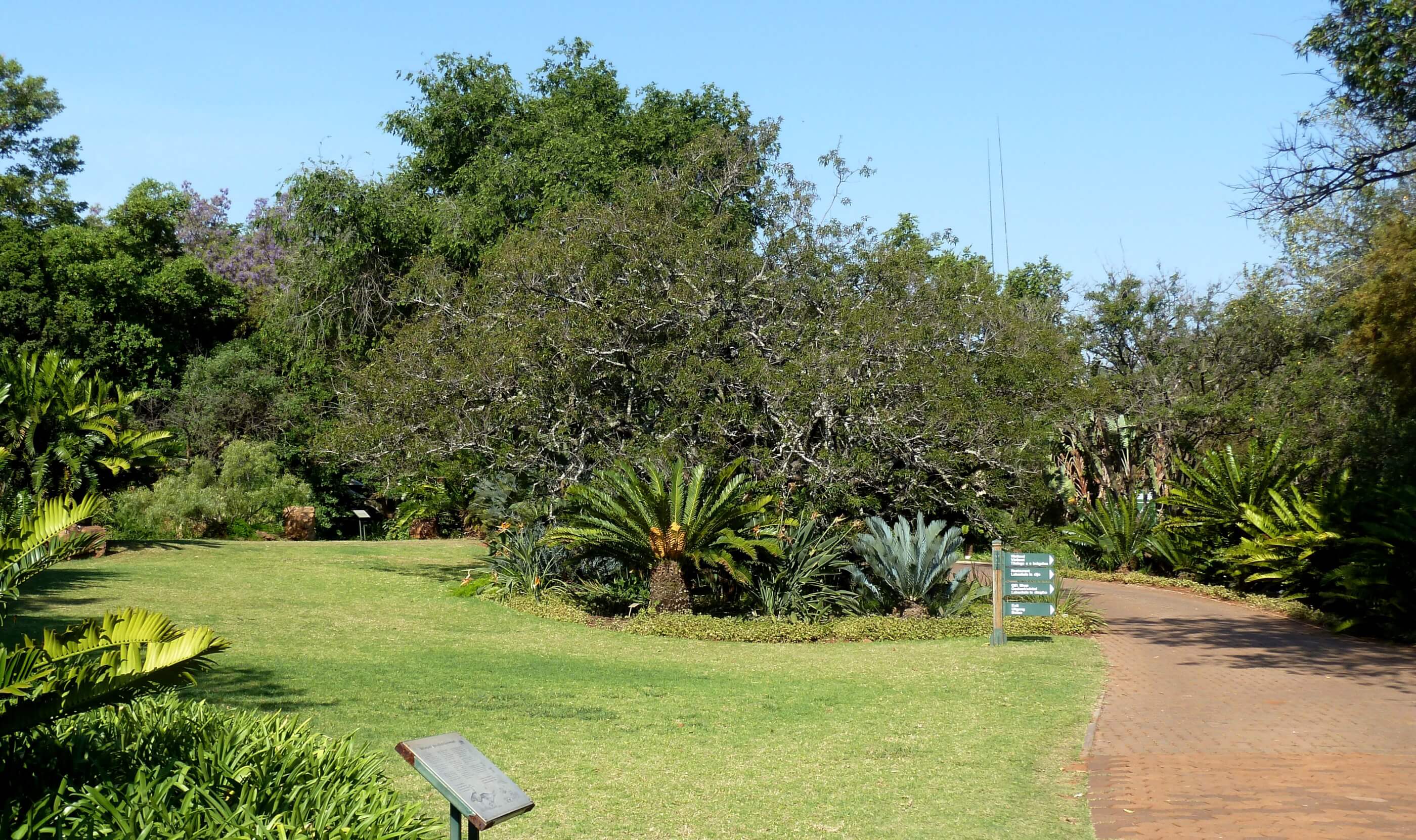
Pretoria National Botanical Garden is a 76-hectare SANBI garden in Brummeria, Pretoria. A high quartzite ridge divides the site into cooler and warmer slopes, creating a compact introduction to different indigenous habitats and South African plant collections. It is an easy place to underestimate: the garden works equally well for a calm family walk, an hour studying plants, a birding visit or a longer pause on the ridge above the city.

Rhenosterspruit Nature Conservancy

Rhenosterspruit Nature Conservancy forms part of a wider private conservation landscape in the Hennops River Valley, between Pretoria and the Magaliesberg. The river, grassland, ravines and surrounding hills make it an appealing setting for hiking, but it is not one municipal reserve with a universal gate or public trail system. Access depends on the specific property, organised event or trail operator you choose.

Rietvlei Nature Reserve

Rietvlei Nature Reserve is a City of Tshwane conservation area of about 4 000 hectares south of Pretoria. It began as part of the city’s water-supply landscape and still protects the grassland, wetlands and catchment that feed the Rietvlei Dam system. That combination makes it unusually valuable: it is close enough for a day out, but large enough to feel like a proper Highveld wildlife reserve.

Roodeplaat Dam Provincial Nature Reserve

Roodeplaat Dam Provincial Nature Reserve lies on the western shore of Roodeplaat Dam, north-east of Pretoria. The protected area grew from a dam built for irrigation and was placed under provincial nature-conservation management in the 1970s. It remains one of the city’s closer opportunities to combine dam scenery, birdwatching, game viewing and low-key outdoor recreation, although its two sides have a noticeably different feel.

Somabula Nature Reserve

Somabula Nature Reserve is a private bushveld destination near Cullinan, with self-catering accommodation, camping and a controlled day-visitor offering. Its rocky Highveld grassland, bushveld, wetlands and koppies make it more varied than a short farm walk. It suits a small group that wants an unhurried day of hiking, wildlife watching and a booked braai or fishing stop, while still respecting that it is a private conservation property.

Suikerbosrand Nature Reserve

Suikerbosrand Nature Reserve is a large Gauteng reserve near Heidelberg, with rolling ridges, grassland, woodland pockets and a long-established trail network. It is a serious hiking destination rather than simply a scenic roadside reserve: a visitor can choose a short interpretive walk, a substantial day route, a multi-day hike or a slow drive through the reserve’s changing landscapes.

The Cradle Nature Reserve

The Greater Cradle Nature Reserve is a large, contiguous private conservation landscape within the Cradle of Humankind UNESCO World Heritage Site around Kromdraai. It safeguards more than 9 000 hectares of ecological, cultural and scientific land under one conservation framework. This is not an open public reserve with one standard hiking gate; it is a working landscape of protected properties where access has to respect both the natural environment and the extraordinary scientific record beneath the ground.

The Wilds Nature Reserve

The Wilds Nature Reserve is a 16-hectare nature reserve on the koppies at Houghton, close to Johannesburg’s inner city. This is Gauteng, not Mpumalanga: its value lies in the rare combination of indigenous gardens, old stone paths, waterfalls, fountains and far-reaching city views within a densely built part of Johannesburg. It is an easy place to underestimate from the road, but a rewarding stop for visitors who want fresh air, local plants and a sense of the city’s ridges.

Tswaing Nature Reserve

Tswaing is a protected natural and cultural heritage landscape about 40 km north-west of central Pretoria, near Winterveld and Soshanguve. Its central feature is a remarkably well-preserved meteorite impact crater created about 220 000 years ago. This is one of the rare South African outings where a hike can become a lesson in geology, climate history, archaeology, ecology and the way people have used a remarkable landscape.

Voortrekker Monument Nature Reserve

The Voortrekker Monument grounds combine a major national heritage site with a 341-hectare nature reserve in Groenkloof, Pretoria. The reserve was declared in 1992 and gives the Monument a living landscape of indigenous grassland, ridges and game rather than a purely formal setting. It is a managed visitor destination where walking, hiking, cycling, horse riding and the Monument experience can be planned together.

Walter Sisulu National Botanical Garden

Walter Sisulu National Botanical Garden in Roodepoort and Mogale City combines designed indigenous gardens with a large natural veld and cliff landscape around the Witpoortjie Falls. It is a particularly generous kind of urban nature destination: a family can enjoy a short garden walk and picnic lawn, while walkers, birders and geology-minded visitors can spend much longer exploring the waterfall, rocky slopes and bushveld trails.

Wonderboom Nature Reserve

Wonderboom Nature Reserve is a 200-hectare nature and heritage reserve on the Magaliesberg in northern Tshwane. Its centrepiece is the Wonderboom, an ancient wild fig (Ficus salicifolia) believed to be more than a thousand years old. A visit here is not only a walk in a small urban reserve: it is an opportunity to stand beneath a living landmark whose story reaches from the Apies River valley to the rocky ridge above it.