

















Maloti-Drakensberg Park
KwaZulu-Natal’s Great Escarpment World Heritage Landscape
Maloti-Drakensberg Park is the UNESCO World Heritage landscape shared by South Africa and Lesotho. This KwaZulu-Natal page describes the South African component, uKhahlamba-Drakensberg Park: 242,813 hectares along the province’s western escarpment of basalt peaks, sandstone valleys, grassland, rivers, rock shelters and important high-altitude wetlands.
One World Heritage Property, Two Countries
The international World Heritage property also includes Sehlabathebe National Park in Lesotho. The shared name reflects one mountain system and connected heritage, but it does not mean there is one gate, one booking system or one trail network. Plan the actual South African section you intend to visit; use the separate Lesotho listing when Sehlabathebe or another Lesotho destination is your destination.
Why this Mountain Landscape Matters
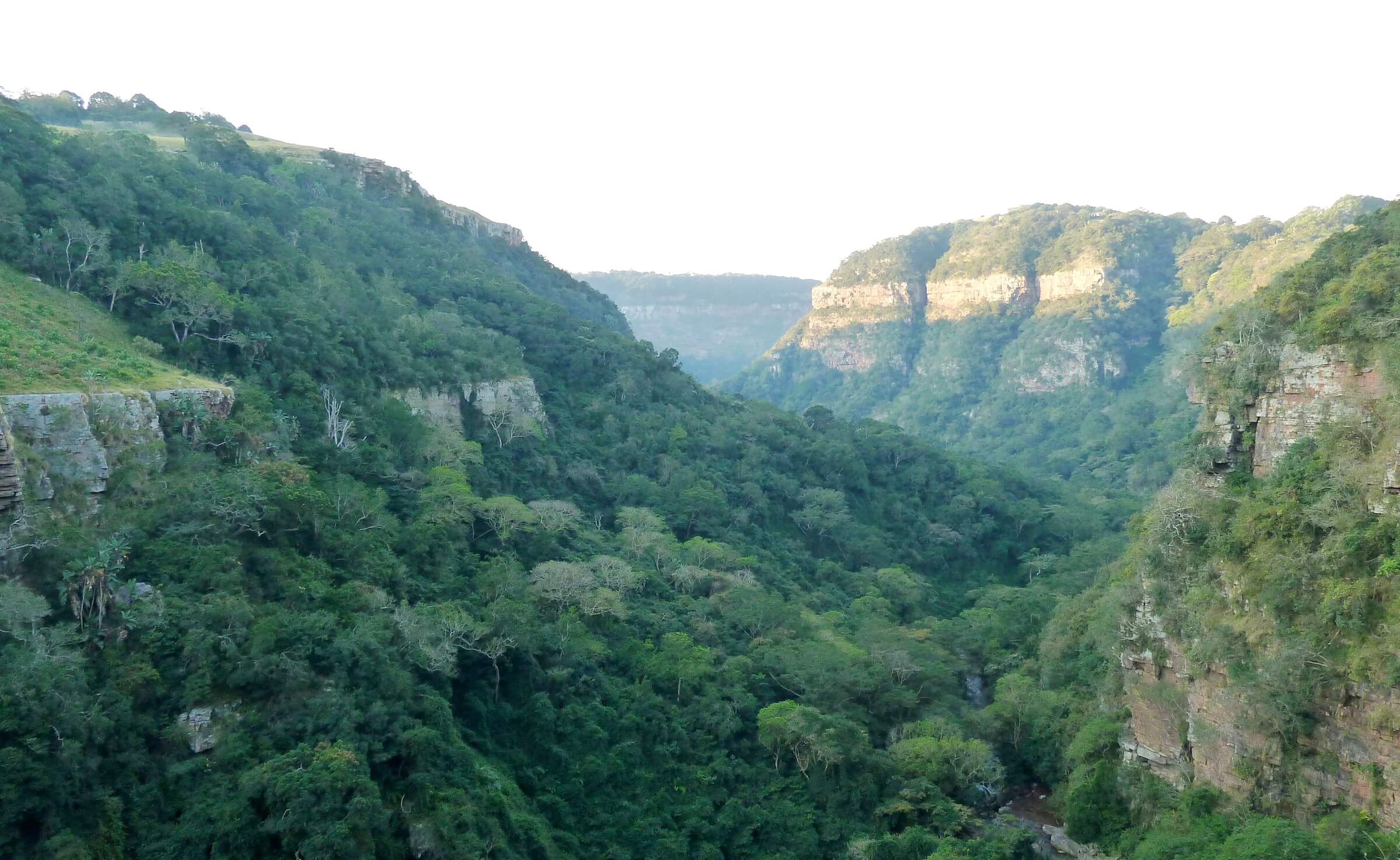
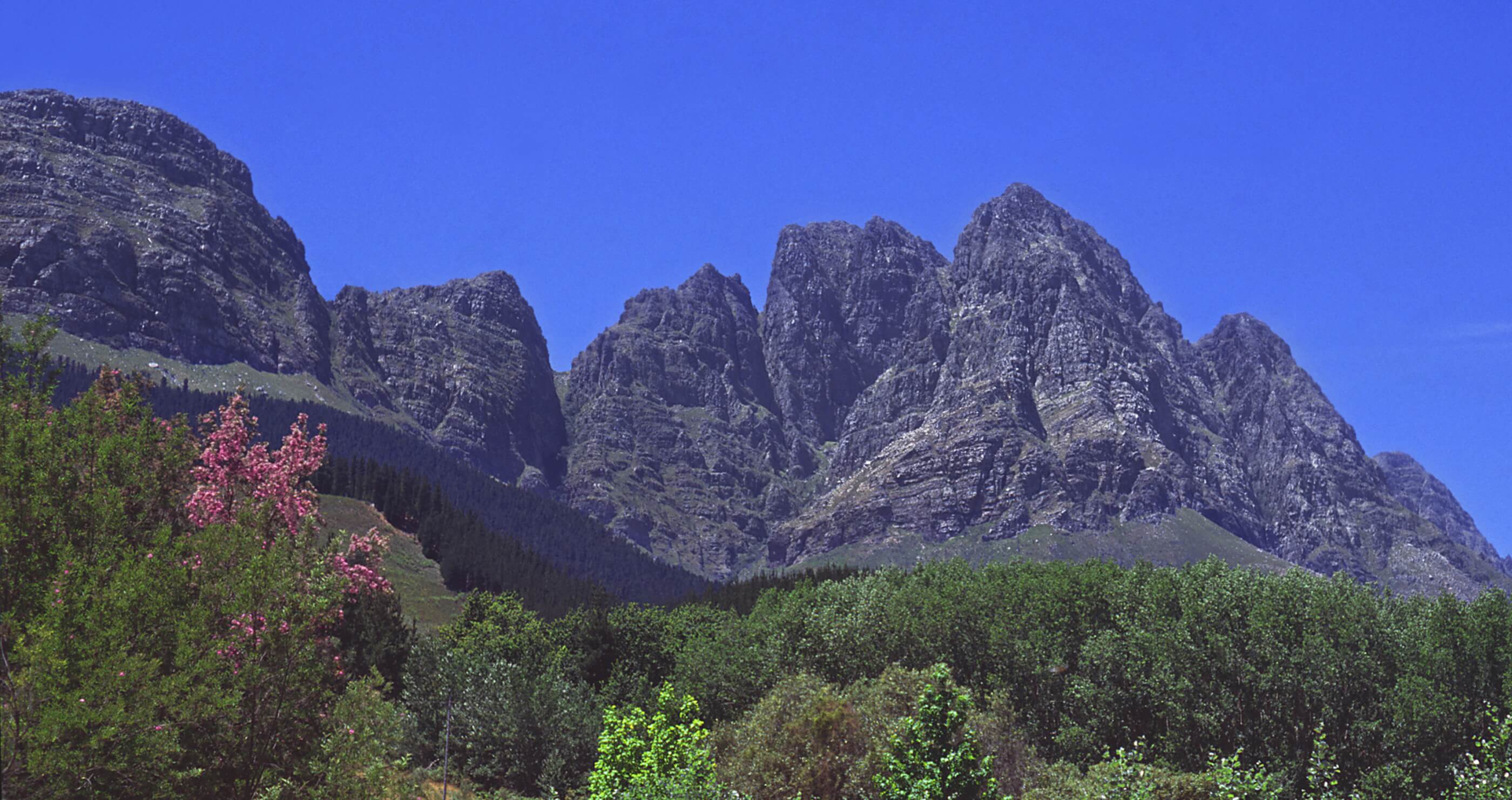
UNESCO recognises Maloti-Drakensberg Park for four linked values: extraordinary natural scenery, biodiversity, San cultural heritage and its long record of human history. Basalt buttresses rise above golden sandstone ramparts, while steep valleys, caves, cliffs, rivers and rolling alpine grasslands create the changing views that make the KwaZulu-Natal Drakensberg feel so large even on a short walk.
A Water Source for the Province
The escarpment is one of southern Africa’s most important water-production areas. KwaZulu-Natal rivers including the Thukela flow east towards the Indian Ocean, while the Lesotho side feeds the Senqu/Orange system towards the Atlantic. Highland wetlands, grassland and mountain soils hold and release that water slowly. Treat every stream and wetland as infrastructure: stay on durable routes, avoid soap and litter near water, and never drive across saturated ground.
Rock Art: Living Heritage, Not a Photo Prop
The property contains an estimated 690 rock-art sites and more than 35,000 individual images, the largest and most concentrated group of rock paintings in Africa south of the Sahara. The art records San spiritual life over millennia and some shelters also contain later paintings. Visit only sites that are lawfully open and interpreted, never touch or wet painted surfaces, do not make fires nearby, and do not share sensitive locations in a way that encourages uncontrolled access.
Plants, Birds and Mountain Wildlife
The park protects most of KwaZulu-Natal’s remaining subalpine and alpine vegetation, including extensive wetlands above 2,750 metres, as well as more than 250 endemic plant species across the wider property. Birders may look out for highland specialists, Cape vultures and bearded vultures, but no wildlife encounter is guaranteed. Give animals space, keep dogs out where they are not permitted, and let the landscape set the pace rather than chasing a sighting.
Choose a Section, Not a Vague Park Name
uKhahlamba-Drakensberg Park is made up of several protected sections and access arrangements differ between them. Royal Natal, Cathedral Peak, Monk’s Cowl, Injisuthi, Giant’s Castle and the southern Drakensberg are distinct places with their own approaches, accommodation, day-walk options and practical rules. Decide where you want to start before travelling, then confirm the correct gate, current bookings or permits, route status and any guide requirement directly with the responsible operator.
Hiking Requires Real Mountain Preparation
Some walks are straightforward day outings near established camps; others are long, steep, unmarked or multi-day mountain routes. Altitude, exposed ridges, rockfall, sudden thunderstorms, snow, mist and fast-rising rivers can turn a beautiful plan into a serious situation. Carry warm and waterproof layers, enough food and water, first aid, a light, navigation backup and a conservative turnaround time. For remote routes, travel with capable companions and leave a route plan with a reliable contact.
Respect People, Place and Boundaries
This is a cultural landscape as well as a protected natural area. Follow access rules, respect nearby communities and private or communal land, and do not cross the international border without the correct legal arrangements. Keep groups quiet at heritage sites, take every item of litter home, avoid drones where prohibited and use only designated fires and camping areas. Small decisions by visitors protect the rock art, water and wilderness character that make the park exceptional.
Before You Go
Read UNESCO’s Maloti-Drakensberg Park profile, then check the current information for the exact KwaZulu-Natal section, trail or camp you plan to use. That combination gives you the right context for a meaningful, responsible Drakensberg visit.


